How the Las Vegas Sphere Is Influencing Nighttime Activity on the Strip
The Las Vegas Sphere has quickly become more than a venue. It is now a major anchor for nighttime activity along the Las Vegas Strip. With its large-scale performances and immersive productions, the Sphere draws concentrated waves of visitors at specific times. That concentration is not new to Las Vegas, but the scale and timing are different enough to shift how people move through the area at night.
Unlike traditional casinos or clubs that see a steady flow of guests, Sphere events release thousands of attendees at once. This creates predictable surges in pedestrian and vehicle traffic that ripple outward across nearby corridors. For anyone looking at the Strip from a legal or risk perspective, those shifts matter.
Performance Timing and Traffic Flow
Major performances at the Sphere typically begin and end at set times, often later in the evening. When a show ends, large crowds exit within a short window. This creates immediate demand for transportation, whether that is rideshare, taxis, or personal vehicles.
Traffic patterns adjust accordingly. Roads that may have been moving steadily can quickly become congested. Intersections near the venue see higher volumes of both foot traffic and vehicles. Drivers unfamiliar with the area may make sudden lane changes or stops, increasing the likelihood of minor collisions.
The effect is not limited to the immediate vicinity. Traffic backs up along feeder roads and spreads toward other parts of the Strip. This can extend congestion well beyond the duration of the event itself.
Rideshare Demand and Pickup Pressure
Rideshare services play a central role in how visitors move after Sphere events. When a show ends, demand spikes within minutes. App-based pricing often increases, and designated pickup zones become crowded.
This environment creates pressure on both drivers and passengers. Drivers may circle repeatedly to locate riders, while passengers may move between pickup points in search of faster service. These movements can lead to confusion, especially in areas with limited curb space.
From a liability standpoint, rideshare congestion introduces several concerns. Vehicles stopping in active lanes, double parking, or making abrupt turns can disrupt traffic flow. Pedestrians crossing outside designated areas to reach their rides further complicate the situation.
The combination of high demand and limited space increases the risk of incidents, particularly in zones not designed to handle that volume of simultaneous activity.
Pedestrian Activity and Safety
The Sphere’s draw extends beyond ticket holders. Many visitors gather nearby simply to experience the exterior display or the surrounding atmosphere. This adds to pedestrian density, especially at night.
Higher pedestrian volume changes how traffic behaves. Drivers must navigate through crosswalks that may be continuously occupied. In some cases, pedestrians cross mid-block, either due to crowding or impatience.
Lighting conditions, while generally strong on the Strip, can still create visibility challenges when combined with large crowds and moving vehicles. The result is an environment where small misjudgments can lead to accidents.
For legal professionals, pedestrian-heavy areas near major venues often correlate with increased claims involving right-of-way disputes, distracted driving, and failure to yield.
Congestion in Entertainment Corridors
The Sphere is not isolated. It sits within a broader entertainment corridor that includes hotels, restaurants, and other attractions. When a major event ends, attendees often disperse to these nearby locations, extending the period of elevated activity.
This creates a layered form of congestion. Initial traffic builds immediately after the event, followed by sustained movement as people relocate to other venues. Parking garages fill and empty in cycles, and valet areas experience increased turnover.
Delivery vehicles, service traffic, and local commuters must navigate the same space. The overlap of these different types of traffic increases complexity. Each group operates with different expectations and priorities, which can lead to conflicts.
In legal terms, these conditions often contribute to multi-vehicle incidents or chain-reaction collisions, particularly in areas where traffic control measures are strained.
Accident Risk and Legal Implications
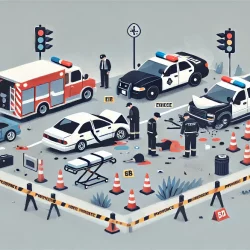
With increased congestion comes a higher probability of accidents. While many incidents are minor, the frequency can rise during peak event periods. Common factors include distracted driving, unfamiliarity with road layouts, and pressure to move quickly through crowded areas.
For individuals involved in collisions near the Strip, the circumstances can be more complex than typical roadway incidents. Questions may arise about traffic control, signage, and whether temporary conditions contributed to the event.
In this context, a Las Vegas car accident attorney may evaluate not only driver behavior but also the broader environment. This can include examining whether congestion, inadequate traffic management, or unsafe pickup zones played a role.
Insurance claims in these scenarios may involve multiple parties, including rideshare companies or commercial operators. Documentation, including traffic camera footage and witness accounts, becomes especially important.
Business Impact and Operational Adjustments
Local businesses have begun adapting to the Sphere’s influence. Restaurants and bars may adjust hours or staffing to accommodate post-show crowds. Hotels coordinate guest services with expected traffic surges.
Transportation providers are also responding. Some rideshare companies implement designated pickup zones or adjust pricing models during major events. Traffic management efforts, including law enforcement presence, may increase during peak times.
These adjustments can help mitigate some risks, but they do not eliminate them. The underlying issue remains the concentration of large numbers of people in a confined area within a short time frame.
Looking Ahead
The Sphere represents a shift in how large-scale entertainment interacts with the surrounding environment. Its influence on nighttime activity along the Strip is likely to continue evolving as more events are scheduled and attendance patterns stabilize.
For legal and risk-focused audiences, the key takeaway is that predictable surges in traffic and pedestrian movement create identifiable points of exposure. Monitoring these patterns can help inform both policy decisions and case evaluations.
The Bigger Picture on the Strip
The Las Vegas Strip has always been defined by movement, but the Las Vegas Sphere introduces a new level of concentration and timing to that movement. As nighttime activity continues to adjust, so will the associated risks.
Understanding how these patterns develop is essential for anyone assessing liability, safety, or infrastructure needs in one of the busiest entertainment corridors in the country.
More to Read:



Previous Posts: